Industry News
A Safe Harvest is a Sweet Harvest
It’s never a bad time to brush up on farm safety, but with harvest just around the corner there’s no better time for a helpful reminder. Being cognizant of a few crucial safety tips can mean the difference between life and death. Although farm safety can seem like common sense, it’s easy to forget the … Read More
Michigan Sugarbeet Harvest Underway
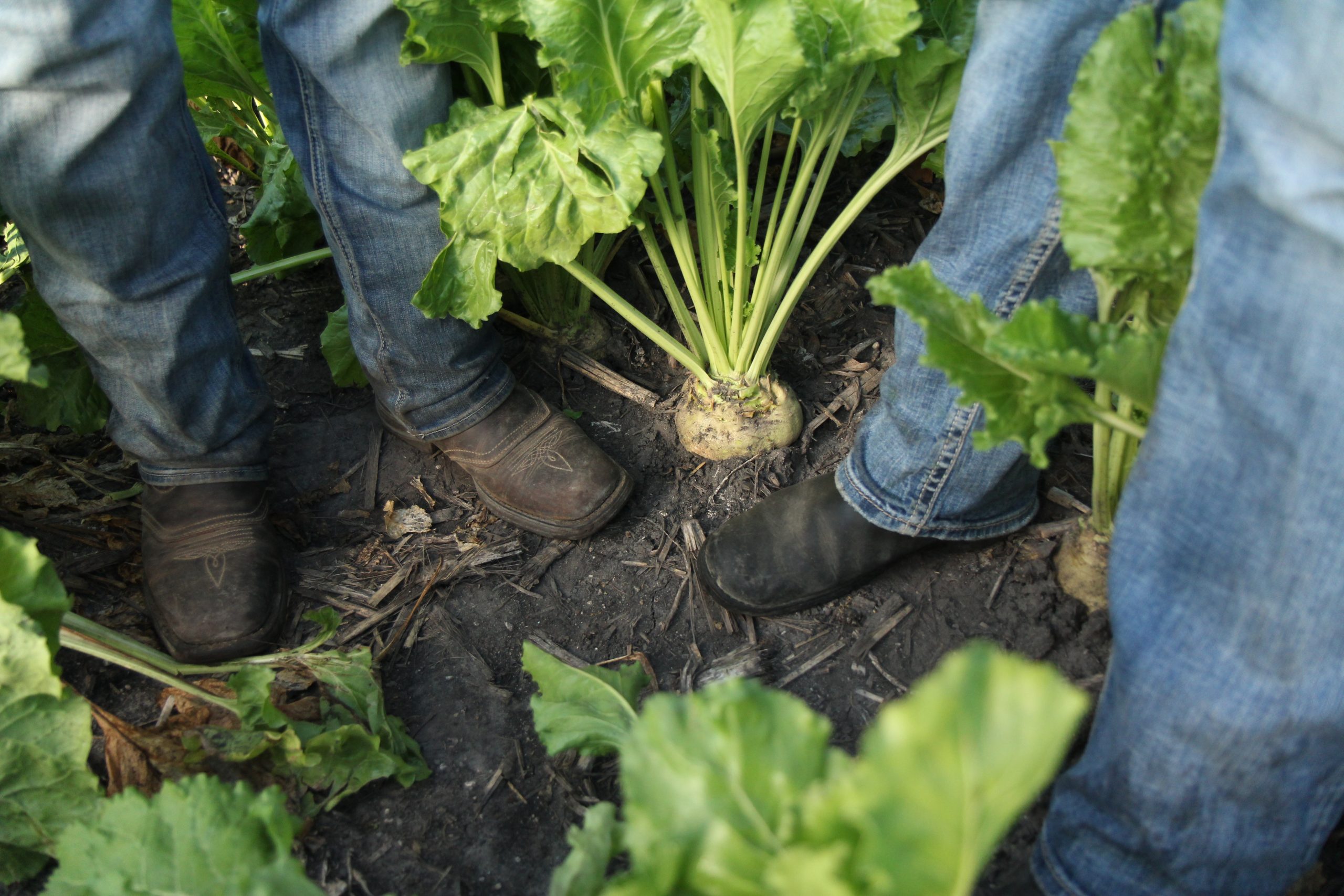
The Michigan Sugar Company has started one of its earliest harvest of sugarbeets. Executive Vice President Jim Ruhlman tells Brownfield from … Click Here to Read the Full Article.
Drop the beet: An Idaho town will give a nod to state agriculture on New Year’s Eve
Drop the beet: An Idaho town will give a nod to state agriculture on New Year’s Eve By Laurie Welch (Twin Falls) Times-News December 08, 2019 01:32 PM At the stroke of midnight on New Year’s Eve, a giant sugar beet will descend from the sky on the Rupert Square as part of the city’s … Read More
Sugar Beets were Loveland’s Largest Industry for Many Years
Colorado History: Sugar beets were Loveland’s largest industry for many years Loveland Reporter-Herald By Kenneth Jessen | August 31, 2019 at 9:48 pm As the turn-of-the-century approached, the town of Loveland had a population of about 2,000. Although it had a flour mill and creamery, Loveland lacked any substantial industry. This 1904 photograph shows … Read More
Seedex Hires Jimmy Barta as Sales Agronomist
Seedex Hires Jimmy Barta as Sales Agronomist Monday, April 08, 2019 Seedex, Inc. is pleased to announce the hiring of Jimmy Barta as a Sales Agronomist for the Red River Valley. Jimmy is based out of Minto, North Dakota. This is the first position of its kind within the company, giving growers timelier service. Jimmy … Read More
A history of Layton’s ‘sweetest’ street
A history of Layton’s ‘sweetest’ street The Davis Clipper November 7, 2018 Sugar Street, on Layton City’s west side, truly is the “sweetest” road in Layton. For almost half of the 20th Century, the street was home to one of the largest factories in northern Utah – a sugar plant that employed up to 500 … Read More
Clay County farmer marks 70 years of harvesting beets in ND
Clay County farmer marks 70 years of harvesting beets in ND By The Dickinson Press Robin Huebner on Oct 20, 2018 at 8:00 a.m. GEORGETOWN, Minn. — In 1948, at age 18, Herb Dahlsad got his first taste of the sugar beet harvest while helping a neighbor near his family’s farmstead here. Now 88, he’s … Read More
Roadside signs to tell you exactly ‘What’s in the Field’
Roadside signs to tell you exactly ‘What’s in the Field’ By Patrick Burles – Lethbridge News Now September 12, 2018 – 4:15pm LETHBRIDGE, Ab — For a number of drivers travelling along a rural road or highway in Alberta, it’s simply a guessing game when asked what’s growing in the field just outside their vehicle … Read More
Molasses Market Driven by Flourishing Industries of Animal Feed and Biofuel
Molasses Market Driven by Flourishing Industries of Animal Feed and Biofuel By: 364Analyze.com July 3, 2018 Rohit With flourishing food industry, and particularly dairy and meat products, a strong demand for adequate animal feed is emerging. For ages, molasses had been used as animal feed but the percentage was fairly low until researchers showed in 1960s … Read More
Kentucky Derby winner fueled by shredded beet pulp from Crookston
Kentucky Derby winner fueled by shredded beet pulp from Crookston By Mike Christopherson Crookston Times Posted May 7, 2018 at 11:50 AM Ingredients from LaBudde Group in Crookston are feeding all kinds of world-class racehorses When Justify crossed the finish line first in Saturday’s Kentucky Derby at Churchill Downs, he was powered in part by food that came from right … Read More